{{ 'fb_in_app_browser_popup.desc' | translate }} {{ 'fb_in_app_browser_popup.copy_link' | translate }}
{{ 'in_app_browser_popup.desc' | translate }}
🚚🆓 香港滿$350免運費
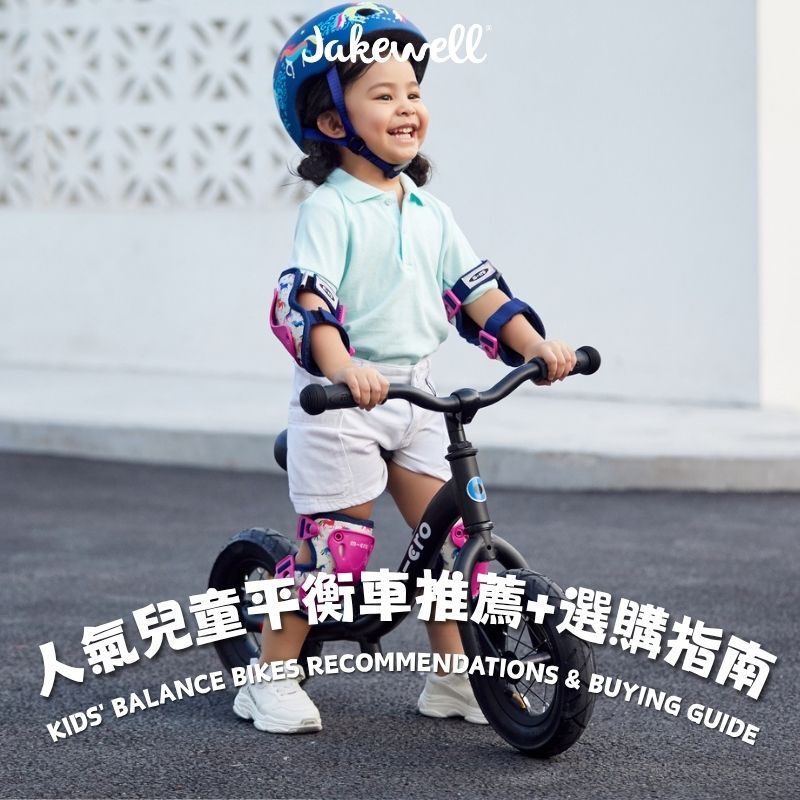
A kids balance bike is more than just an outdoor energy-burning toy. It helps children improve their balance, physical coordination, focus, and self-confidence. This article outlines 7 key benefits of balance bikes, along with practical buying tips and product recommendations to help parents choose safe, high-quality options for their little ones.
📋 Table of Contents (Click to jump directly)
A kids balance bike is a two-wheeled vehicle without pedals or training wheels. Children glide by pushing off the ground with their feet, learning to maintain body balance and directional control in the process. Compared with traditional bicycles, balance bikes feature a simple structure, lightweight design, and easy handling. They focus on cultivating children’s balance and motor coordination, making them one of the most popular outdoor toys for young kids.
Most children can start using a balance bike from around 2 years old. At this stage, kids can sit steadily, touch the ground with both feet, and master basic pushing and steering movements. Most balance bikes on the market are designed for toddlers aged 2 to 6 years old. With a compact frame, simple construction, and adjustable seat and handlebar height, they can grow alongside your child for extended use.
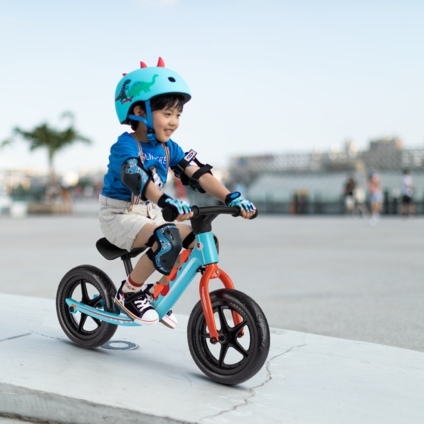
A balance bike is far more than a simple toy. Through consistent gliding practice, children naturally enhance their balance, coordination, focus, and develop healthy exercise habits. Below are 7 major benefits of balance bikes and their positive impacts on early childhood development.
Without pedals or stabilisers, children must control their centre of gravity to glide forward. This naturally trains the vestibular system and gross motor skills. With regular practice, kids show noticeable progress in balance and full-body coordination.
While gliding, children continuously push off the ground and engage their core to stay stable. This builds overall stamina, lower-body strength, glute muscles, and core power, creating a solid fitness foundation for future sports activities.
From wobbly first attempts to smooth, confident gliding, children gain a strong sense of achievement with every small milestone. Mastering turns and continuous riding brings joy and a sense of accomplishment, encouraging kids to embrace new challenges with courage.
Riding a balance bike requires children to observe terrain, avoid obstacles, adjust speed, and control direction. This active focus training sharpens observation skills and sustained attention, which also benefits daily learning and behaviour.
Steering a balance bike helps children judge distance, angles, and speed while reacting quickly to their surroundings. This develops spatial perception and spatial reasoning, greatly helping with ball games and other physical activities later in childhood.
Balance biking encourages outdoor activity and active play. After school or on weekends, kids can ride in yards, parks, and open spaces to burn extra energy while boosting cardiovascular health and muscle development.
Balance bikes familiarise children with two-wheeled movement, steering, and speed control. When transitioning to a standard pedal bike, learning time is drastically reduced. Most kids can ride without training wheels, reducing frustration and letting them enjoy cycling faster.
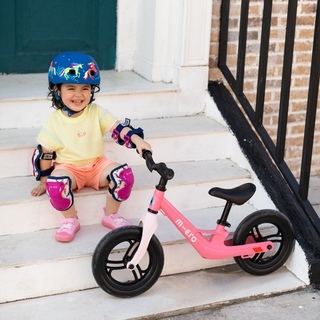
Opt for lightweight frames made of aluminium alloy or high-strength plastic for easy pushing and handling. Heavy bikes cause fatigue and reduce children’s willingness to ride. Choose sturdy, impact-resistant materials to withstand daily bumps and ensure long-term safety.
Children grow quickly, so adjustable seat and handlebar heights extend the product lifespan. The seat should allow full foot contact with the ground, while handlebars should fit a natural gripping posture. Proper sizing ensures correct posture, comfortable riding, and lower injury risks.
Tyre material directly affects stability and safety. Solid rubber or PU tyres offer excellent wear resistance and anti-slip performance for both indoor and outdoor use. Tyres with a width of 3–4 cm provide stable support, improve cornering balance, and reduce slipping risks.
Select balance bikes with solid welding, secure fasteners, and durable frames to prevent loosening after long-term use. Anti-slip grips and footrests can also be added to increase friction and reduce falls or sliding accidents during play.
While safety and functionality come first, visual appeal affects children’s willingness to ride. Choosing favourite colours and fun designs encourages active outdoor play and makes gliding a daily favourite activity.
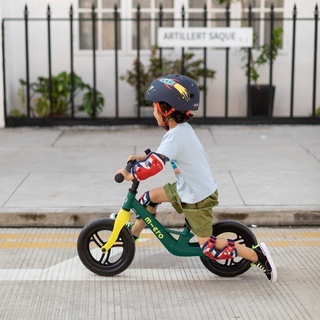
Micro Lightweight Balance Bike Lite >> View Product Here <<
Looking for safe, enjoyable outdoor gear for your child? Curated by Jakewell, the Micro Balance Bike Lite is a premium lightweight balance bike designed for young children, supporting every stage of their growth.
Weighing only 2.6 kg, this toddler balance bike is one of the lightest glide bikes on the market. It is effortless for kids to control and easy for parents to carry or store. The seat height is fully adjustable from 31 to 38 cm to suit growing children aged 2 to 6. Equipped with 11-inch puncture-proof EVA foam tyres, it requires no inflation and delivers smooth riding on park and urban surfaces. The low-step frame design allows easy mounting and dismounting, reducing discomfort and frustration for beginner riders.
The Micro Balance Bike is ideal for practice in parks, residential areas, and safe indoor spaces. Repeated gliding helps develop balance, coordination, and core strength, making it the perfect entry-level gliding toy for toddlers.
Key Features:
Ultra-light magnesium alloy frame: reduces fatigue and ensures flexible control
Adjustable seat height (31–38 cm): accommodates growing height for long-term use
11-inch EVA puncture-proof foam tyres: no inflation required, low maintenance, smooth & comfortable
Low-step frame design: easy to get on and off, prevents accidental kicking or jamming
Stylish colour options: 3 trendy colourways available, perfect for outdoor play
Learning speed varies by child, with most kids riding confidently within 1–3 weeks of regular practice. Start on flat, safe indoor or courtyard ground to help them get used to pushing and weight shifting. With consistent practice, turning and stopping skills develop naturally. Parents are recommended to gradually increase distance and speed while ensuring a safe environment and proper protective gear including helmets, knee pads and elbow pads.
Inflatable tyres offer excellent shock absorption and flexibility for rough outdoor terrain, yet require regular air pressure checks. Solid foam tyres are puncture-proof, maintenance-free, lightweight, and highly durable, ideal for indoor floors and flat outdoor areas. Choose based on daily scenarios: inflatable tyres for frequent park use, and solid foam tyres for home yards and smooth surfaces.
First-time buyers should prioritise lightweight frames with a low-step design for beginner-friendly access. A tyre size of 10–12 inches delivers stable performance without bulky sizing. Adjustable seat and handlebar heights support proper riding posture and long-term use. This beginner-focused specification lowers fall risks and helps children quickly build confidence in outdoor gliding.
If you are looking for a high-quality toddler balance bike, shop at Jakewell. We offer a curated selection of balance bikes for different age groups, plus matching protective gear, allowing your little ones to ride safely and happily.


