{{ 'fb_in_app_browser_popup.desc' | translate }} {{ 'fb_in_app_browser_popup.copy_link' | translate }}
{{ 'in_app_browser_popup.desc' | translate }}
🚚🆓 香港滿$350免運費
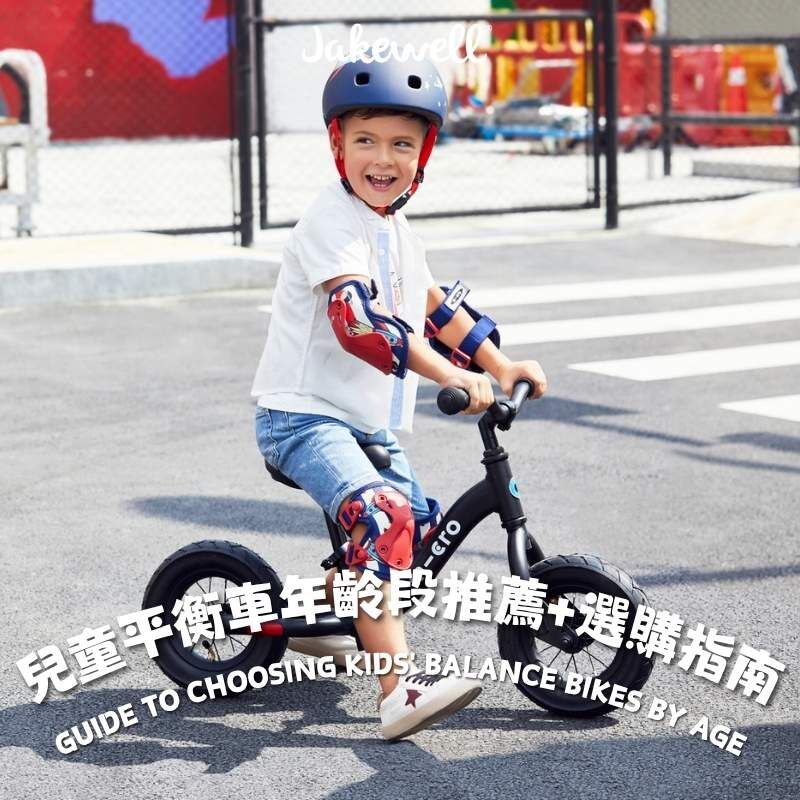
What is the right age for a kid to ride a balance bike? Generally, children aged 2 to 6 are the most suitable. A kids balance bike is more than just a toy; it helps train balance, leg strength and focus. However, physical development varies greatly at different ages, and starting too early or too late may affect learning outcomes. This article covers the recommended age range, selection tips and safety notes to help parents ensure fun and safe play for little ones.
📋 Table of Contents (Click to jump)
A balance bike is a glider without pedals or training wheels. Kids push off the ground with their feet and control direction and balance by shifting body weight. Lighter and simpler than traditional bicycles, balance bikes are easy for toddlers to master. They build gross motor skills, balance and coordination, laying a solid foundation for future bike riding.
Balance biking is a great outdoor activity that brings long-term developmental benefits:
Better Balance & Coordination: With no pedals or stabilizers, children learn to steer and adjust speed using core weight shift, boosting vestibular development and overall motor coordination.
Stronger Legs & Core Muscles: Repeated foot pushing and constant core stabilization build lower-body strength, endurance and physical stability.
Improve Focus & Safety Awareness: Kids learn to observe surroundings, avoid obstacles and control speed, cultivating concentration, risk judgment and self-discipline.
Build Self-Confidence: From wobbly first tries to smooth gliding, every small progress brings a sense of achievement, encouraging kids to embrace new challenges bravely.
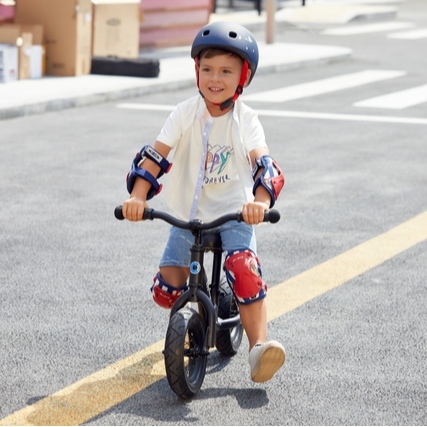
Typically, balance bikes are suitable for children aged 2–6. Age is not the only factor; physical control is more important. Kids may start when they can walk steadily, run without frequent falls, and place both feet fully on the ground while seated. Many brands offer low-frame entry models for smaller toddlers to boost confidence.
Most 2-year-olds can walk steadily. With a lightweight bike featuring an adjustable seat, toddlers can learn with parental supervision. Start on flat, safe ground such as parks or open spaces, and always wear a helmet. If your child is unsteady or hesitant, wait until their strength and balance mature.
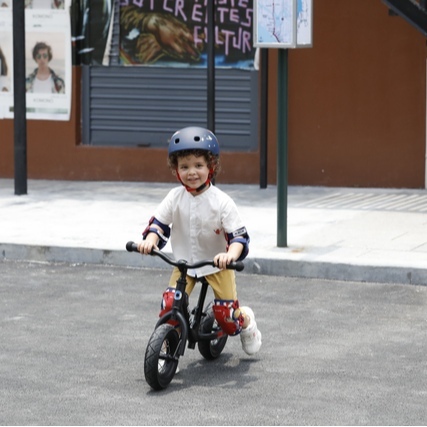
Toddlers at this stage are newly steady on their feet with developing coordination. Prioritize ultra-light frames and low seat heights (25–30cm) for full foot contact and easy stopping.
Let kids practice pushing, turning and stopping indoors or in safe open areas. Helmets, elbow pads and knee pads are essential, along with soft flooring to cushion falls. Keep sessions short (10–15 mins) to build familiarity and confidence gradually.
Balance skills improve rapidly from 2 to 4 years old. Kids can glide independently and manage speed and weight shift. Choose models with adjustable seat and handlebar heights for long-term use. Bike weight should not exceed 30% of the child’s body weight for easy control.
Practice gliding, lifting feet and stopping in spacious flat areas. Set simple obstacle courses to enhance steering and spatial awareness. Encourage independent exploration while requiring protective gear and teaching basic road safety habits.
Children aged 4–6 have mature coordination and reaction skills, capable of fast gliding, turning and one-foot balancing. Choose sturdy balance bikes with shock-absorbent tires for rough outdoor terrain. Adjustable seating and handlebars accommodate growing height.
Introduce simple racing routes and obstacle challenges. Gradually practice long glides to prepare for transition to pedal bikes. Avoid steep slopes, busy roads and crowded areas, and continue supervision and protective gear for safe skill development.
Adjustable heights extend the bike’s lifespan as your child grows. Proper positioning ensures correct riding posture and reduces fall risks.
Light bikes are easy for young kids to push and steer, especially beginners aged 2–4. Lightweight designs also help parents carry and transport the bike outdoors.
Anti-slip, shock-resistant tires deliver stable traction on multiple surfaces, preventing slips and enabling smooth turning and speed control.
A solid, durable frame resists shaking during fast gliding or sudden stops. Quality materials prevent loosening and damage for long-term use.
Helmets, knee pads and elbow pads are mandatory, especially for new riders. Well-fitted certified protective gear builds safe riding habits.
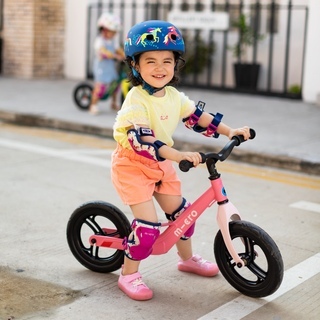
Micro Lite Kids Lightweight Balance Bike >>View Product<<
Micro Balance Bikeis designed specifically for toddlers. Built with an ultra-light magnesium alloy frame at only 2.6kg, it is easy for kids to push and simple for parents to carry.
The adjustable seat height (31–38cm) grows with your child for extended use. 12-inch puncture-proof EVA foam tires require no inflation, offering durability and stable grip on daily surfaces. The low-step frame enables easy mounting, making it an ideal first balance bike.
Product Features:
Ultra-Light Design: 2.6kg lightweight frame for effortless handling.
Adjustable Seat Height: Perfect for kids aged 2–6.
12-inch Puncture-Proof Tires: Maintenance-free, stable for streets and parks.
Low-Step Frame: Easy to get on and off to encourage active play.
Stylish Color Options: 3 trendy colours available for outdoor play.
Most children use balance bikes up to 5–6 years old, depending on height and motor skills. Once they master smooth gliding and full balance control, they can transition to two-wheel pedal bikes.
Unlike standard bikes, balance bikes have no pedals or training wheels. Kids push with their feet and steer using body weight. Lighter and easier to handle, they build core balance first, greatly shortening the learning curve for pedal bikes and reducing fall risks.
Helmets, knee pads and elbow padsare essential for balance bike riding, especially for beginners. Proper gear minimizes scrapes and impact injuries. Choose safety-certified, well-fitted equipment to build correct safety habits.
For premium balance bikes and protective gear, shop at Jakewell. As a trusted Hong Kong baby & kids retailer, we offer ergonomic, safe high-quality balance bikes and full riding kits for all age groups, helping parents shop all essential items in one place.


