{{ 'fb_in_app_browser_popup.desc' | translate }} {{ 'fb_in_app_browser_popup.copy_link' | translate }}
{{ 'in_app_browser_popup.desc' | translate }}
🚚🆓 香港滿$350免運費
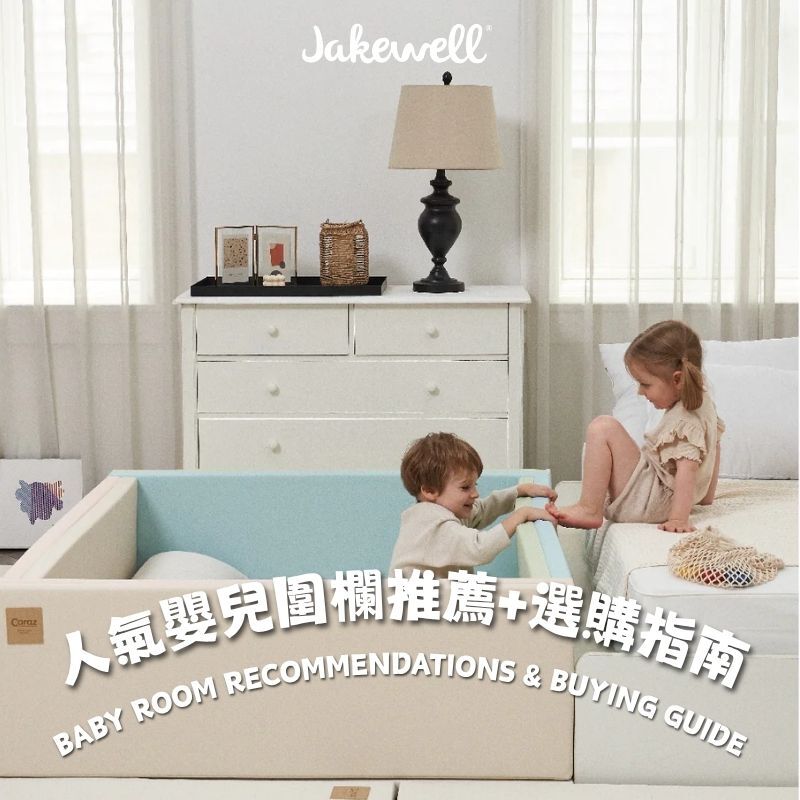
Once babies start rolling over and crawling, playpens are one of the first essential safety items prepared by many parents. A baby playpen not only creates a dedicated play area for little ones but also reduces the risk of them touching dangerous objects accidentally, building a safe space for daily activities. As your child grows, at what age should you stop using a playpen? With so many styles on the market, how do you choose the right one? This guide covers practical tips for use and selection, along with recommended baby playpens to help new parents make informed decisions with peace of mind.
In this article, you will learn:
📋 Table of Contents (Click to jump directly)
A baby playpen is a safety enclosure specially designed for infants and toddlers. Its enclosed structure forms a secure closed space where babies can roll, crawl and play freely. Most playpens consist of connected fence panels or soft mesh fabric. Many styles feature flexible splicing for adjustable size and foldable designs for easy storage, suitable for households with different living spaces. The core purpose is not to restrict movement, but to let babies explore safely under proper protection.
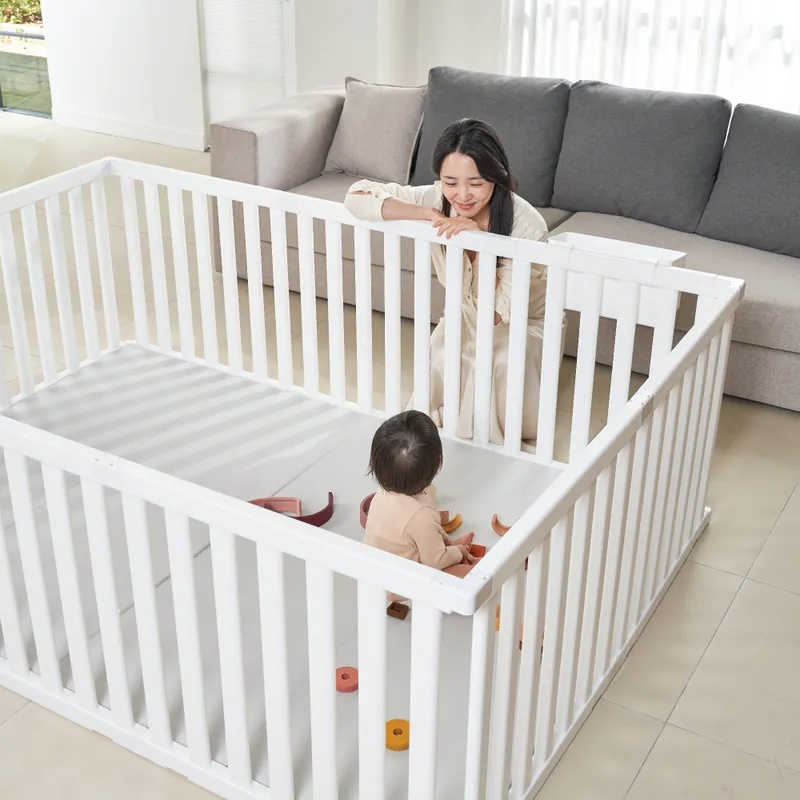
A playpen defines an independent play area and prevents babies from touching power sockets, sharp table corners and other hazardous items. Especially during the active crawling and standing stages, little ones have increased mobility. A sturdy playpen greatly reduces accident risks and creates a safer home environment.
Within the safe boundary of a playpen, babies can roll, crawl and play with toys freely without constant holding or unnecessary restriction. Independent exploration helps develop gross motor skills, spatial awareness, concentration and self-confidence.
Parents cannot keep a constant eye on their babies 24/7. With a playpen, you can safely leave your baby in a secure area while using the restroom or doing housework, easing stress and anxiety in daily childcare.
Generally, baby playpens are suitable for infants aged 6 months to 2 years old, with flexible adjustment based on your child’s individual development. When babies start rolling, crawling and pulling up to stand, a playpen delivers a stable and safe activity space. Once children develop strong climbing ability, can push the playpen or attempt to climb over, you should re-evaluate usage and switch to alternative home safety solutions.
6–9 Months (Rolling Stage): Babies begin to expand their range of movement. The main function of a playpen is to block dangerous furniture and sharp edges. Pair with a non-slip baby play mat for extra cushioning and protection.
9–18 Months (Crawling & Standing Stage): This is the peak period for playpen use. Curious about their surroundings and learning to stand independently, babies need sturdy, non-slip, tall playpens to prevent tipping hazards.
18–24 Months & Above (Stable Walking Stage): Once toddlers walk steadily and start climbing actively, long-term playpen use is no longer recommended. Strengthen home safety with corner guards, safety locks and other accessories instead of relying solely on playpens.
Besides overall safety, you need to consider practicality and your child’s developmental needs. Here are 5 critical factors to help you select the ideal playpen efficiently.
Choose playpens equipped with strong suction cups or large non-slip base pads to prevent shifting or tipping when shaken by active babies. Reinforced frames and secure connection joints are essential for standing and climbing toddlers to minimize impact and fall risks.
Bar gaps must meet international safety standards, ideally between 4.5cm and 6.5cm. Overly wide gaps risk head entrapment, while narrow gaps may pinch little fingers and toes. Proper spacing ensures ventilation, clear visibility and injury-free play for babies.
Teething babies often chew on playpen edges. Opt for playpens made of food-grade HDPE plastic or eco-friendly solid wood, certified with EU EN71 or US ASTM safety standards, free from plasticizers, heavy metals and harmful chemicals.
The ideal playpen height is 60–70cm, tall enough to prevent climbing over without blocking parents’ line of sight. Transparent fence design helps reduce separation anxiety by letting babies see caregivers while you manage household tasks.
Modular splicable playpens can be arranged into squares, rectangles or circles to fit different room layouts. Foldable and detachable designs allow space-saving storage when not in use. User-friendly assembly and adjustable sizing perfectly accommodate growing babies and diverse childcare needs.
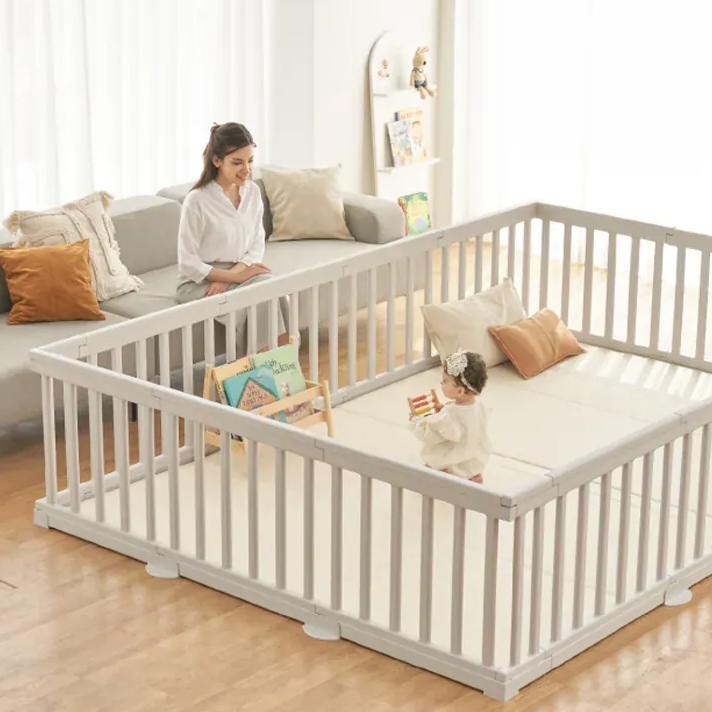
Caraz Baby House & Foldable Mat 2-Piece Set >>View Product<<
Caraz is a premium Korean baby safety brand famous for non-toxic materials and multifunctional designs, dedicated to creating safe, comfortable play and learning spaces for infants. This playpen features high-quality PP frames with stable construction, allowing flexible panel combinations to fit any home space. The double-lock door handle prevents accidental opening by babies for enhanced safety.
Pair the playpen with the matching Caraz foldable play mat, made of 8-layer high-density PE foam and non-toxic PU leather. Soft, anti-slip and shock-absorbent, it cushions falls and rough crawling. The mat expands into a spacious play area and folds compactly for easy storage or moving between rooms. Caraz Baby House balances safety and practicality, perfect for designing a dedicated safe corner for your little one.
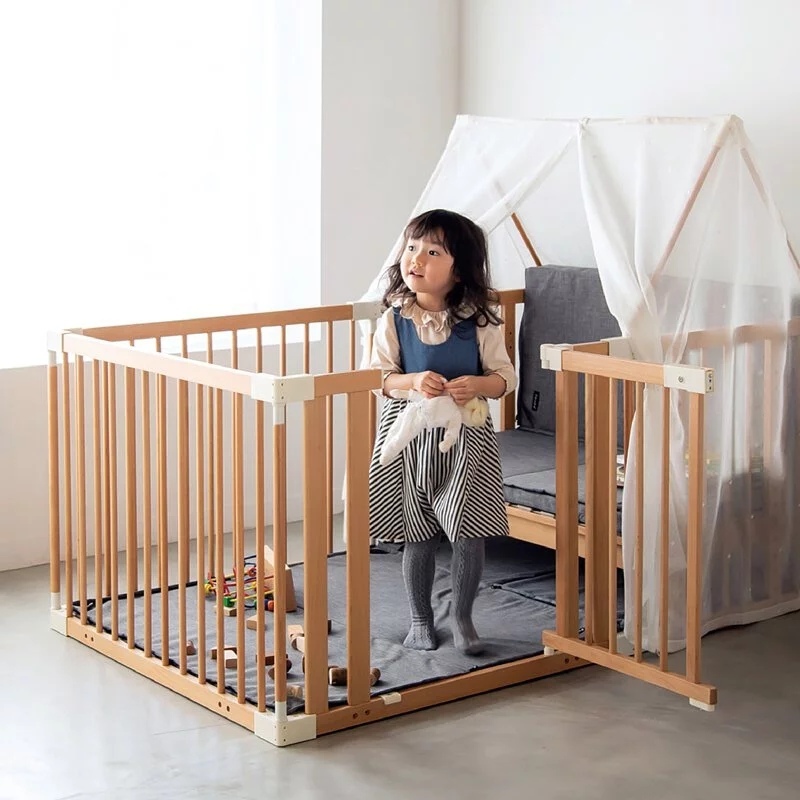
Farska Playpen Extension Kit >>View Product<<
Combine a Farska baby crib with the playpen extension kit to transform the crib into a versatile safe play space. Crafted with natural solid wood and durable PP/PC+ABS materials, this tool-free assembly kit connects fence panels and rails easily, creating a dedicated zone for reading, playing and exploring.
The assembled play area measures approximately 90×150cm, offering ample room for toddler activities. This extension kit maintains high safety standards while adding interactive fun. Ideal for families with minimalist Nordic home styling, it is a premium functional upgrade for Farska crib owners.
A playpen is highly recommended once your baby starts rolling and crawling. Household hazards such as stairs, kitchens and sharp furniture pose constant risks, even with close parental supervision. A playpen enables safe independent exploration and lets parents handle daily tasks temporarily, balancing childcare safety and convenience.
Adjust playpen height based on your baby’s size and mobility; 60–70cm is the standard recommended range. Too short and toddlers can climb over; too tall and visibility will be blocked. Transparent fence designs help walking babies stay calm and reduce separation anxiety.
While playpens set clear safety boundaries, pairing with a soft play mat delivers extra protection. Play mats absorb impact during falls and rolling movements, making crawling, sitting and first steps safer. Choose anti-slip, stain-resistant and easy-to-clean materials like PE foam or PU leather for simple daily maintenance.
All Caraz and Farska playpens featured in this guide are available at Jakewell, with compatible play mats for a complete safe play setup. Jakewell offers various sizes and styles with safe, easy-clean materials. Shop playpens and accessories in one place to build a fully secured, fun indoor play space for your baby.


