{{ 'fb_in_app_browser_popup.desc' | translate }} {{ 'fb_in_app_browser_popup.copy_link' | translate }}
{{ 'in_app_browser_popup.desc' | translate }}
🚚🆓 香港滿$350免運費
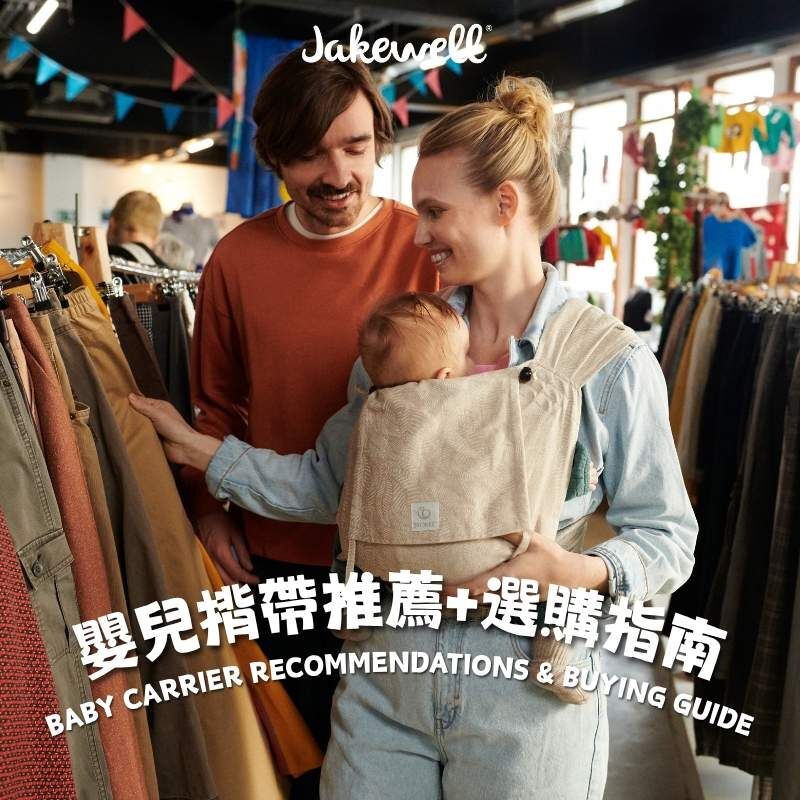
In daily parenting, many parents oftenhold their baby in one armand handle housework with the other, leaving them exhausted and flustered. A baby carrier perfectly solves this problem. It keeps your baby close to you while freeing up your hands for outdoor trips and daily routines. However, babies of different ages vary in body shape and spinal development. When can you start using a baby carrier? How to choose the right style? This article sorts out the types of baby carriers for each age group, key purchasing tips, and recommended products to help parents make easy selections.
📋 Table of Contents (Click to Jump Directly)
A baby carrier is more than just a tool for holding your little one. It lets parents keep their hands free in daily life while providing babies with a warm, secure sense of attachment. When worn close to a parent’s chest or back, babies enjoy enhanced parent-child bonding, emotional soothing, and reduced crying. Additionally, a quality baby carrier supports the baby’s spine and hip joints. Correct use maintains an ergonomic posture, allowing babies to explore their surroundings safely and comfortably.
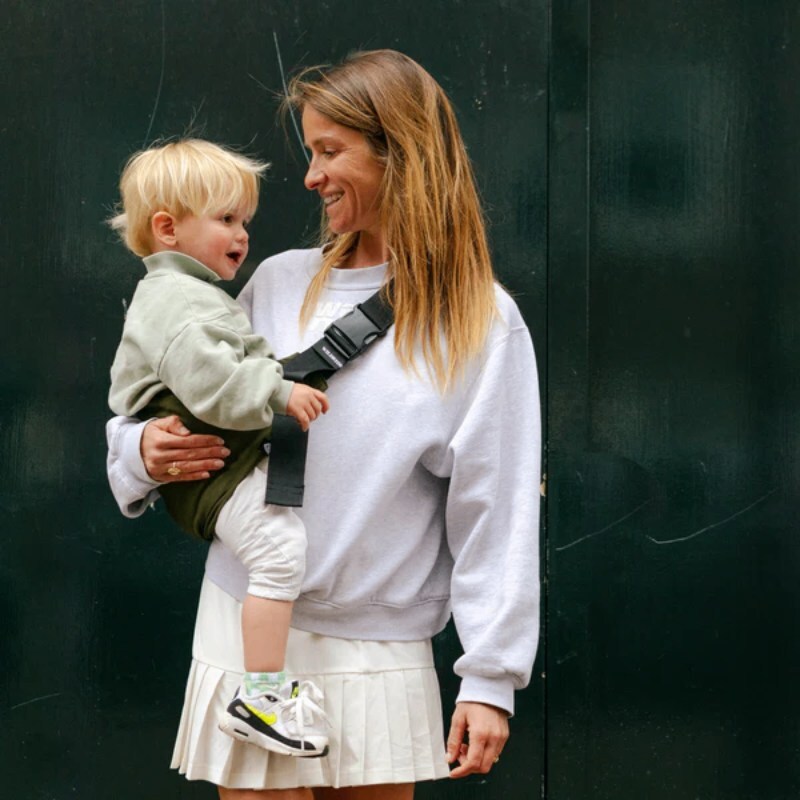
Featuring a simple design, a single-shoulder carrier secures your baby at your side or chest with one strap. Lightweight and easy to put on, it is ideal for short outings or indoor use. However, weight pressure concentrates on one shoulder, leading to neck and shoulder strain with prolonged wear, making it unsuitable for long-duration carrying.
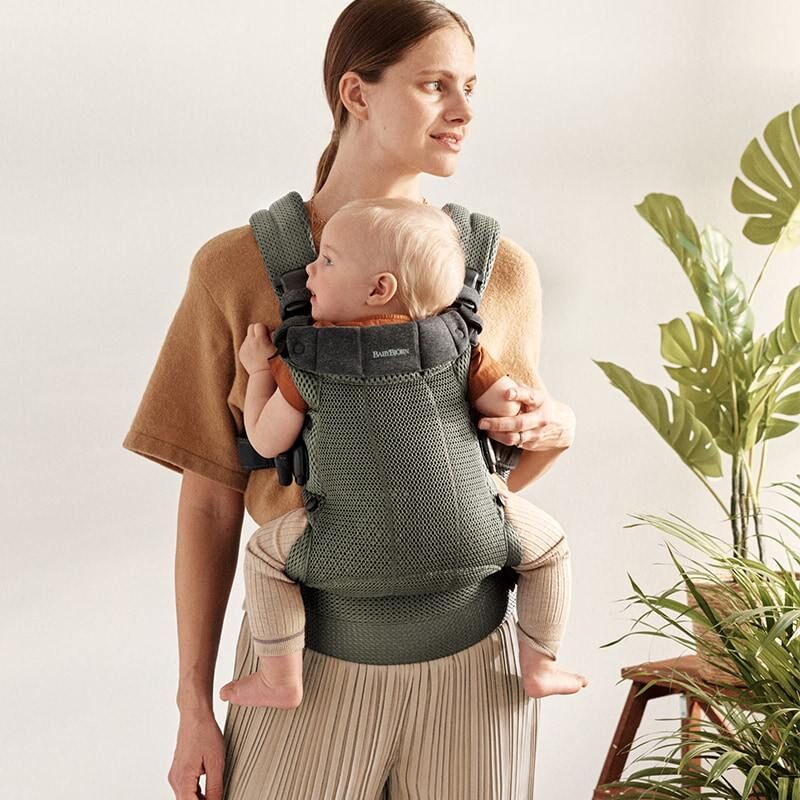
Shaped like a compact backpack, the double-shoulder carrier distributes weight evenly across both shoulders and waist for superior long-lasting support. Babies can be carried front-facing, back-facing, or outward-facing on select models. This design minimizes strain on parents’ shoulders and waist while keeping babies seated stably and safely, perfect for daily walks, errands, and long trips.
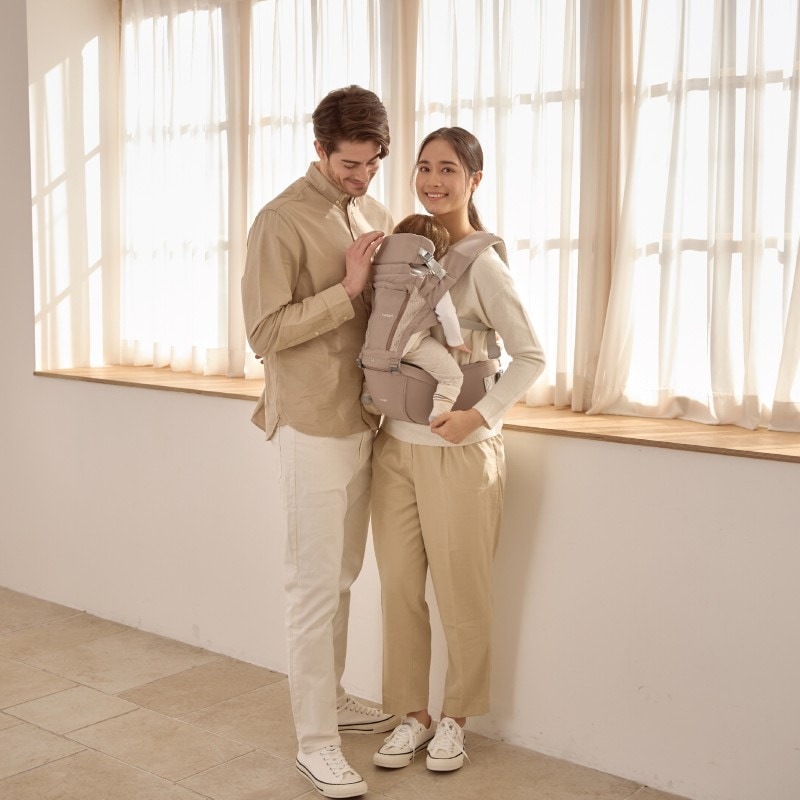
Combining a padded waist stool with shoulder straps, this carrier shifts the baby’s weight to the parent’s waist to reduce shoulder and arm fatigue. The sturdy stool supports the baby’s hips and encourages natural M-leg positioning to promote healthy hip development. Ideal for older or heavier infants, it offers comfortable support for extended carrying during chores or outdoor activities.
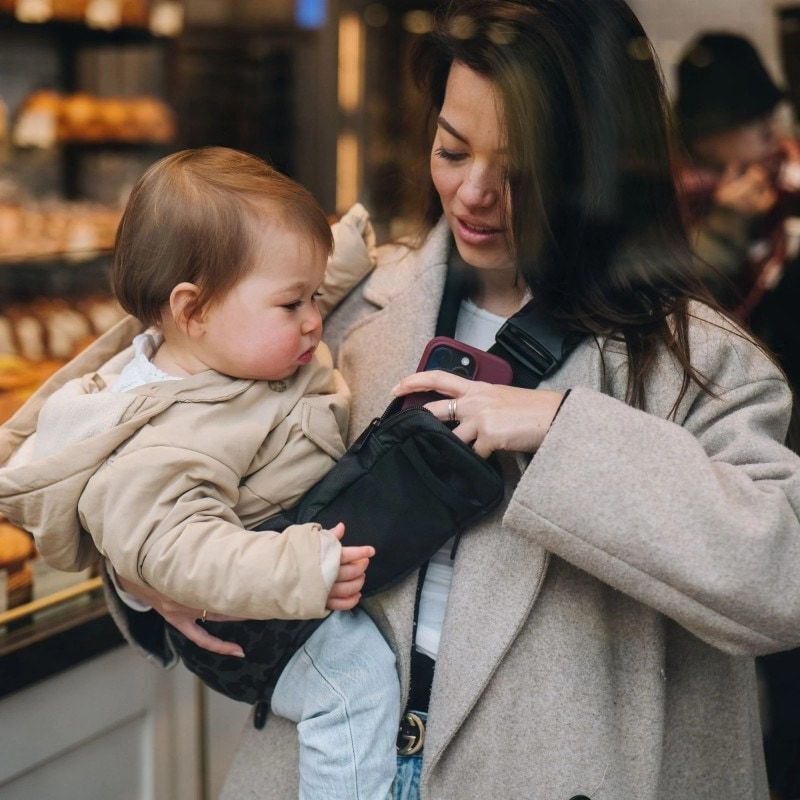
Most baby carriers can be used right after birth, provided you choose a newborn-friendly model with full head and neck support. Always position your baby with a naturally curved back, close chest contact, unobstructed breathing, and secure fasteners. Standard carriers typically support 12-15kg, suitable for babies up to 1.5 to 2 years old.
Newborns have underdeveloped neck and head control. Opt for specially designed newborn carriers such as pouch-style or soft waist stool carriers. These models cradle the baby’s curved spine, maintain chest-to-parent contact, and support healthy M-shaped leg posture. Ensure all straps and buckles are tightly fastened, monitor breathing continuously, and avoid excessive compression.
Once babies gain stable head control and rolling ability, double-shoulder or waist stool carriers become suitable. At this curious developmental stage, forward-facing or side-carry positions expand their field of vision while delivering reliable spinal and pelvic support for safe exploration.
As toddlers gain weight and mobility, waist stool carriers effectively reduce parental physical strain. You may gradually extend wearing time, though limiting each session to 30 minutes protects your waist and shoulders while giving your child independent movement space.
Safety is the top priority when selecting a baby carrier. A high-quality carrier must provide full head and neck support, reinforced back and hip cushioning, and maintain the baby’s natural curved back with M-leg seating. Durable buckles and secure harness systems prevent slipping or loosening during wear.
Select your carrier based on daily needs for optimal comfort and convenience. Double-shoulder models evenly distribute upper body weight for long-distance outings. Waist stool carriers excel at short trips by supporting the baby’s full weight. Single-shoulder designs allow quick, effortless carrying for fast errands.
Fabric quality directly impacts your baby’s comfort. Choose soft, durable, and highly breathable materials such as cotton or mesh fabric to reduce overheating and excessive sweating. Machine-washable, heat-resistant fabrics simplify daily cleaning and hygiene maintenance to prevent skin irritation and allergies.
Babies grow rapidly, making adjustability an essential feature. Flexible shoulder straps, waist belts, and seat height settings adapt to your baby’s changing body shape and parental sizing. Adjustable carriers extend service life, ensure proper posture at every growth stage, and boost overall comfort and safety.
For frequent travelers, lightweight and foldable baby carriers offer exceptional practicality. Foldable designs with storage pouches save space during travel or temporary storage, reduce carrying burdens, and streamline daily outdoor arrangements.
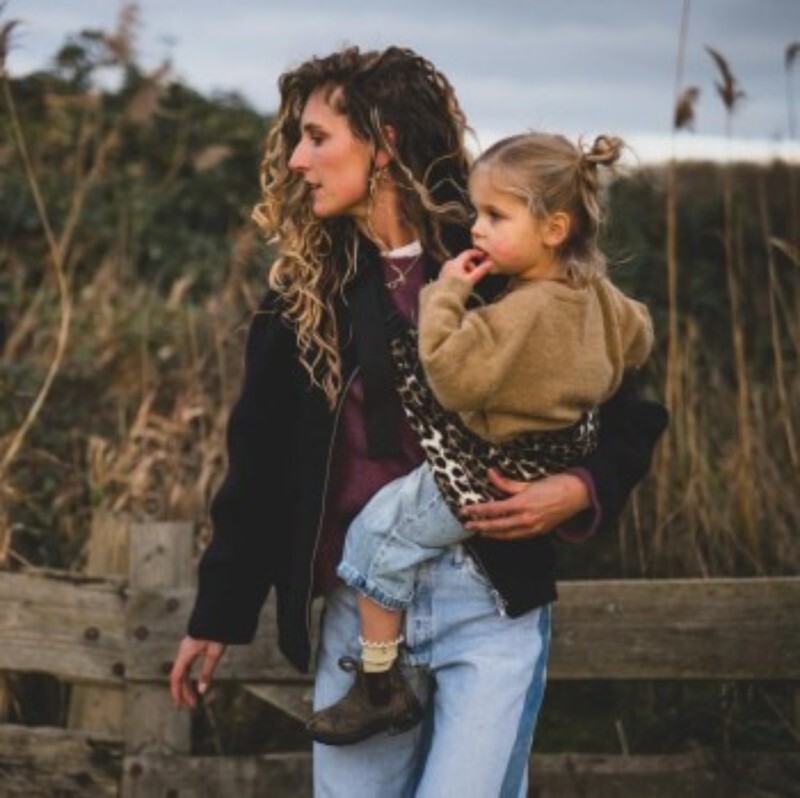
Wildride Baby Carrier >>View Product<<
Wildride Baby CarrierSuitable for babies with stable head control and independent sitting posture, this carrier accommodates little ones from 9 months up to 4 years old with an extensive age range. Engineered for premium support and breathability, the reinforced seat and back panel stabilize babies in front and rear carry positions. Padded widened waist and shoulder straps disperse weight pressure to prevent parental fatigue during long walks or outings.
Weight Capacity:Up to 20kg
Recommended Age:Active toddlers in the attachment stage who prefer close parent contact

Nuna Baby Carrier >>View Product<<
NunaThis all-round interchangeable carrier fits babies aged 0 to 3 years. Its standout feature is the reversible seasonal liner, offering cooling breathability for summer and warm insulation for winter. Supporting multiple carry positions including front and rear wear, it adapts to your baby’s growth and daily scenarios. Wide padded shoulder straps and a reinforced waist belt deliver cushioned support and effective pressure relief.
Weight Capacity:3.5kg to 16kg
Recommended Age:Versatile all-season carrier covering newborn to toddler stages
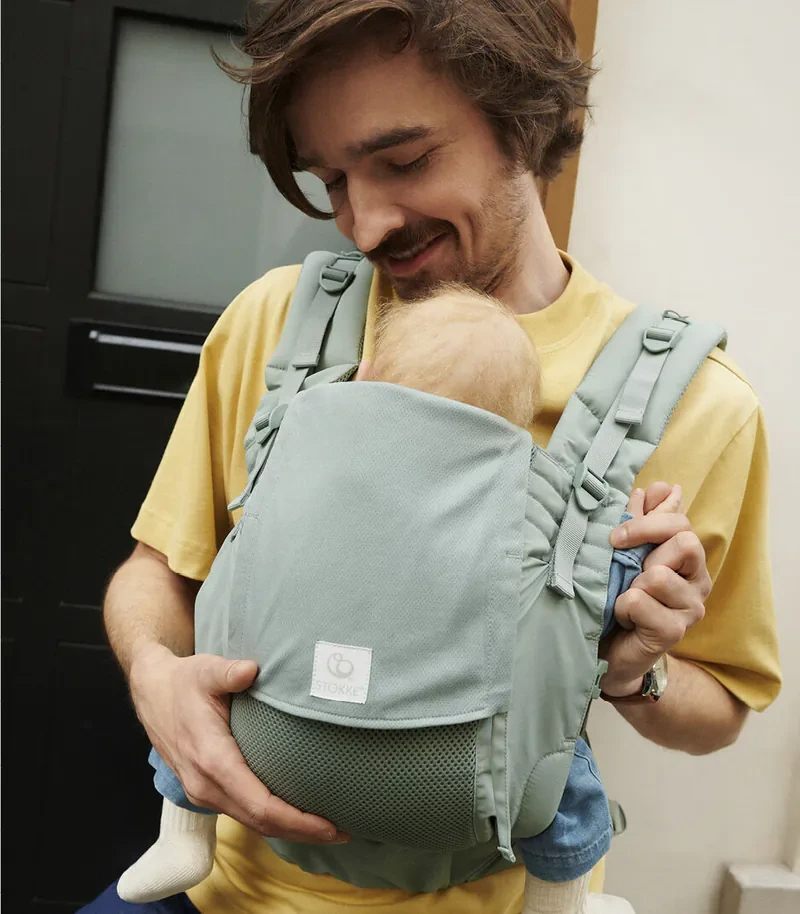
Stokke Baby Carrier >>View Product<<
Stokke Baby CarrierDesigned for long-term use from 1 month up to 15kg (around 3 years old), Stokke carriers feature premium ergonomic engineering. The contoured design fits your baby’s body curves and parental shoulder-waist lines to distribute weight evenly and reduce back strain. Multiple carry modes including inward, forward-facing, and rear carry allow flexible adjustment based on your baby’s needs and viewing preferences.
Weight Capacity:3.2kg to 15kg
Recommended Age:Long-lasting option suitable from birth through the toddler walking stage
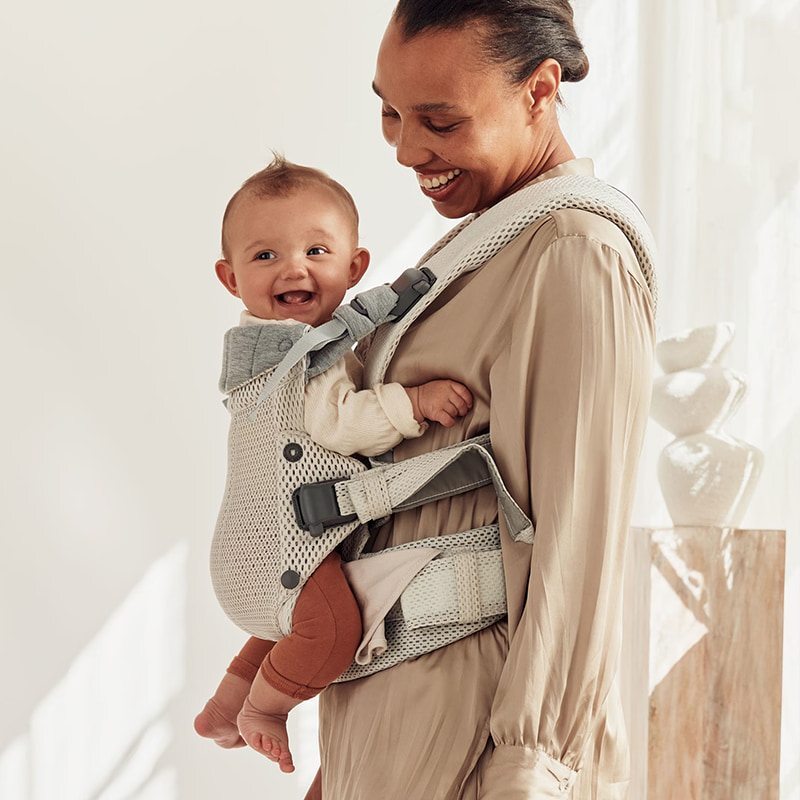
Babybjorn Baby Carrier >>View Product<<
Babybjorn Baby CarrierTailored for babies aged 0 to 3 years, this carrier prioritizes stable support, all-day comfort, and superior air circulation, ideal for summer and extended wear. The ergonomic structure naturally cushions the baby’s spine and hips with seamless switching between front and rear carry positions. 3D mesh fabric enhances airflow to prevent overheating and sweating. Fully adjustable shoulder and waist straps accommodate diverse body types for customized comfort.
Weight Capacity:3.2kg to 15kg
Recommended Age:Newborns to early toddlers, perfect for hot weather and long outdoor use
Newborns can use baby carriers with proper newborn-specific designs that deliver complete head, neck, and weight-range support. Keep your baby closely positioned against your chest with a naturally curved back and clear breathing space. Start with short, frequent sessions to help your baby adapt gradually while maintaining consistent safety and comfort checks.
There is no absolute better option between front and rear carrying; choices depend on your baby’s development and daily scenarios. Front carry is ideal for newborns and young infants for easy monitoring and enhanced security. Once your baby gains stable head control and heavier weight, rear carrying distributes physical pressure more evenly to reduce shoulder fatigue.
Close-fitting carriers may cause warmth in hot weather, so opt for breathable mesh styles or 4-season interchangeable liner designs. Air-permeable fabrics boost ventilation and minimize sweat discomfort, while seasonal convertible carriers adapt to temperature changes year-round. Pair with lightweight clothing and proper ventilation breaks to keep your baby cool and comfortable.
If you are looking for a suitable baby carrier for your little one, shop at Jakewell. Curated with a wide selection of age-specific baby carriers, our collection includes breathable designs, seasonal interchangeable models, and multi-position options to match diverse family needs. Check product weight limits and adjustable features to select a safe, long-lasting, and comfortable carrier for your baby.


